
What’s the Best Electric Van for Tradespeople in the UK?
- Mark Kingdon

- Jan 28
- 3 min read
The best electric van for tradespeople in the UK is one that combines usable real-world range, high payload, a practical load space, and fast charging — without compromising safety or driving comfort. For many trades, purpose-built electric vans now outperform diesel and retrofitted EV alternatives.
Here’s how to choose the right one for your business.
What “Best” Really Means for Tradespeople
Unlike passenger EVs, tradespeople care far less about 0–60 times and far more about whether a van can handle a full day’s work without disruption.
For most UK trades, “best” usually means:
Payload that can handle tools, materials, or equipment
Real-world range that survives stop-start driving and motorway miles
A load space that’s easy to work from, not just large on paper
Strong safety systems for long working days
Predictable running costs
This is where many electric vans succeed — and where some fall short.

Key Factors to Compare When Choosing an Electric Van
1. Payload Capacity (Not Just Range)
A common mistake is choosing a van with impressive range figures but limited payload. Once tools, racking, and stock are added, performance can drop.
For trades such as:
Plumbers
Electricians
Builders
Maintenance engineers
A usable payload of 1,000kg+ is often essential.
Tip: Always look at payload after accounting for optional extras like bulkheads and shelving.
2. Real-World Range vs WLTP Figures
WLTP range is measured in controlled conditions. In reality, tradespeople experience:
Frequent stops
Cold mornings
Added weight
Motorway driving between jobs
A van quoted at 250 miles WLTP may realistically deliver 160–200 miles in mixed UK driving.
That’s not a downside — it just needs to match your daily mileage.
3. Purpose-Built vs Converted Electric Vans
This is one of the biggest differentiators in the market.
Converted electric vans are often adapted from diesel platforms. This can mean:
Compromised load space
Lower payload
Less efficient battery placement
Purpose-built electric vans, designed from the ground up as EVs, typically offer:
Flat floors
Better weight distribution
More usable cargo space
Improved safety integration
For trades, this usually translates into a more practical working vehicle.
4. Charging Speed and Flexibility
Fast charging matters when:
You’re doing high daily mileage
You want flexibility between jobs
You don’t want overnight charging to dictate your schedule
Look for vans that support DC rapid charging, allowing significant range top-ups during breaks.
Best Electric Vans by Trade Type (High-Level)
Rather than naming a single “winner”, here’s how different electric vans suit different trades:
Urban trades (electricians, service engineers):
Prioritise manoeuvrability, safety tech, and urban range.
Builders and contractors:
Payload and load length matter more than maximum range.
Delivery and mobile services:
Efficiency, charging speed, and driver comfort become critical.
Mixed urban + motorway trades:
Real-world range consistency is more important than headline numbers.
Why Purpose-Built Electric Vans Are Gaining Ground
Purpose-built EV vans are increasingly favoured by UK trades because they remove compromises that existed in early electric models.
Benefits often include:
Higher payload without sacrificing range
Better stability under load
More usable internal dimensions
Advanced driver assistance as standard
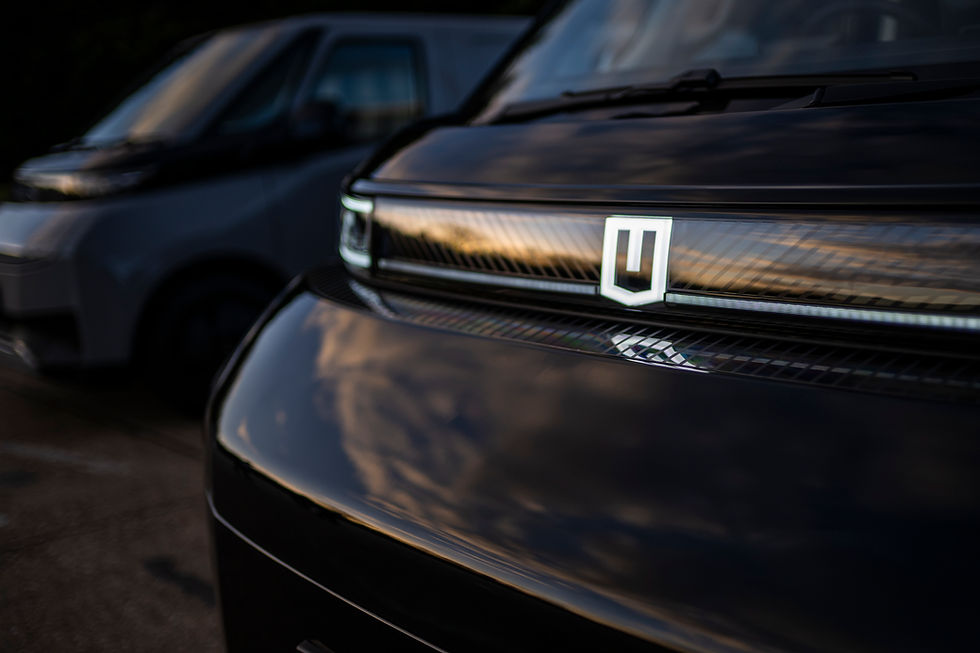
Manufacturers like Farizon have focused specifically on this approach, designing vans around working professionals rather than adapting legacy platforms.
When an Electric Van Might Not Be the Best Choice
Electric vans aren’t yet perfect for every scenario.
They may not suit you if:
You regularly drive very long distances without charging access
You operate in remote locations with limited infrastructure
You need extreme towing capacity
That said, for the majority of UK trades operating locally or regionally, these limitations are becoming less relevant year by year.
Final Verdict: What’s the Best Electric Van for Trades?
The best electric van for UK tradespeople is one that:
Matches your daily mileage, not a marketing number
Handles your real payload requirements
Feels like a working tool, not a compromise
For many trades, modern electric vans are now not just viable — they’re the smarter long-term choice.
If you’re unsure, nothing replaces real-world testing with your tools, routes, and workload.



Comments