
The Benefits of Electric Van Fleets in the South West
- Mark Kingdon

- Nov 28, 2025
- 4 min read
Switching to an electric van fleet isn’t just a trend. It’s a smart move that’s reshaping how businesses operate in the South West. If you’re running a fleet or thinking about upgrading, you’ll want to know why electric vans are becoming the go-to choice. Let me walk you through the key benefits and practical reasons why this shift makes sense.
Why Electric Van Fleet Benefits Matter More Than Ever
Electric vans are no longer just about being green. They bring real, tangible benefits that impact your bottom line and daily operations. Here’s what you need to know:
Lower running costs: Electricity is cheaper than diesel or petrol. Plus, electric vans have fewer moving parts, which means less maintenance and fewer repairs.
Reduced emissions: Cleaner air means healthier communities. This is especially important in the South West, where air quality is a growing concern.
Government incentives: Grants and tax breaks make the initial investment easier to manage.
Improved brand image: Customers and partners appreciate businesses that care about sustainability.
These benefits add up to a compelling case for switching your fleet to electric.
Practical Advantages of Running an Electric Van Fleet
Let’s get practical. What does running an electric van fleet actually look like day-to-day? Here are some advantages you’ll notice right away:
1. Lower Fuel and Maintenance Costs
Electric vans cost a fraction of what diesel vans do to run. Charging overnight at your depot or home base is cheaper than filling up at the pump. Plus, electric motors have fewer parts that wear out. No oil changes, no exhaust systems, no complicated gearboxes. This means less downtime and fewer unexpected bills.
2. Quieter Operation
Electric vans are whisper quiet compared to their diesel counterparts. This is a huge plus for early morning deliveries or night-time work in residential areas. Less noise means less disturbance and happier neighbours.
3. Access to Low Emission Zones
Many towns and cities in the South West are introducing low emission zones or clean air zones. Electric vans are exempt from these charges, saving you money and hassle.
4. Improved Driver Experience
Electric vans offer smooth acceleration and easy handling. Drivers often report less fatigue and a more enjoyable driving experience. This can boost morale and reduce turnover.
How Farizon South West Supports Your Transition
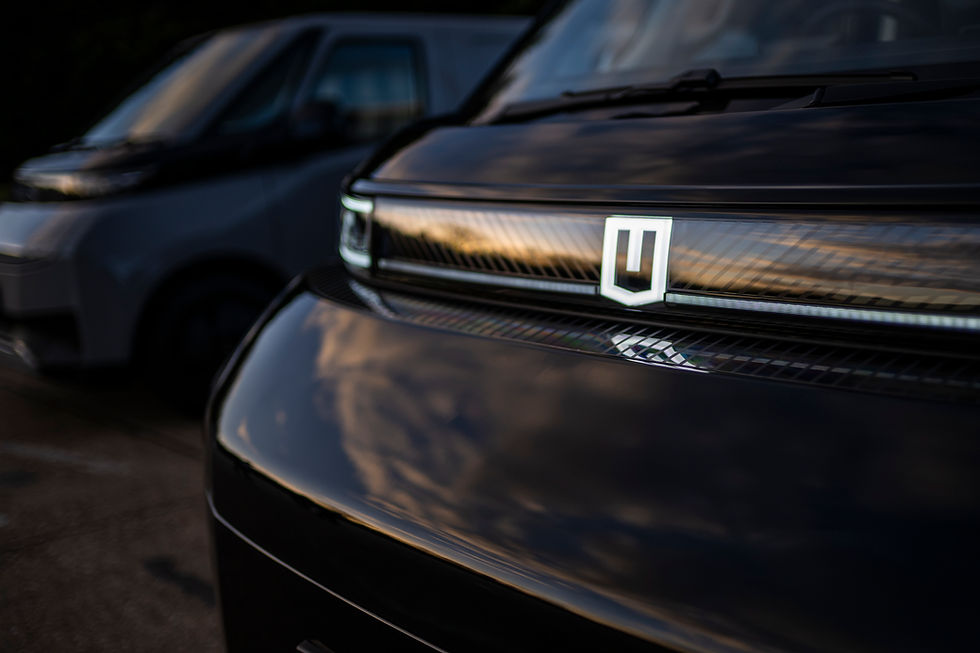
Making the switch to electric vans can feel daunting. That’s where farizon south west comes in. They specialise in supplying premium electric vans tailored for businesses in the South West. Here’s how they help:
Purpose-built vehicles: Farizon offers electric vans designed specifically for commercial use, with practical features and robust build quality.
Expert advice: They guide you through choosing the right vans for your needs and help plan your charging infrastructure.
After-sales support: From maintenance to software updates, they provide ongoing support to keep your fleet running smoothly.
Partnering with a local expert like Farizon South West makes the transition easier and more cost-effective.
Environmental Impact and Corporate Responsibility
Switching to electric vans isn’t just good business sense - it’s a step towards a cleaner future. Here’s why it matters:
Cutting carbon emissions: Transport is a major source of greenhouse gases. Electric vans produce zero tailpipe emissions, helping reduce your carbon footprint.
Supporting local air quality: Cleaner air means fewer health problems for your community. This is especially important in urban areas and near schools or hospitals.
Meeting regulatory demands: Environmental regulations are tightening. Getting ahead now means avoiding penalties and costly retrofits later.
By choosing electric, you’re showing leadership and commitment to sustainability. It’s a message that resonates with customers, employees, and partners alike.
Getting Started: Tips for a Smooth Electric Fleet Transition
Ready to make the switch? Here are some practical steps to get started:
Assess your fleet needs: Look at your current routes, load requirements, and daily mileage. This helps determine the right electric van models.
Plan your charging infrastructure: Decide where and how you’ll charge your vans. Consider depot chargers, workplace charging, or public charging points.
Train your drivers: Electric vans handle differently. Training helps drivers get the most out of the vehicles and extend battery life.
Monitor and optimise: Use telematics and fleet management tools to track performance and identify efficiency improvements.
Explore funding options: Check for government grants, tax incentives, and local schemes that can reduce upfront costs.
Taking these steps will make your transition smoother and more successful.
Why Now Is the Best Time to Invest in Electric Vans
The South West is rapidly embracing electric vehicles. Infrastructure is improving, incentives are available, and technology is advancing fast. Waiting means missing out on:
Cost savings that start from day one
Competitive advantage in a market that values sustainability
Future-proofing your fleet against upcoming regulations
Plus, with suppliers like farizon south west ready to support you, there’s never been a better time to act.
Switching to an electric van fleet is more than just a change in vehicles. It’s a smart business decision that saves money, supports the environment, and improves your operations. If you’re looking to lead the way in the South West, electric vans are the way forward. Ready to make the switch? The benefits are clear, and the time is now.



Comments