
The Benefits of Switching to Electric Vans and Trucks
- Mark Kingdon

- Jan 23
- 4 min read
Updated: Feb 12
Why Zero-Emission Business Vehicles Make Sense Now
The world is changing fast, and so are the rules around transport emissions. Governments are tightening regulations, and customers expect greener operations. But beyond compliance, zero-emission business vehicles offer real, practical benefits.
Lower running costs: Electric vans have fewer moving parts, which means less maintenance and fewer breakdowns.
Fuel savings: Electricity is cheaper than diesel or petrol, especially with smart charging during off-peak hours.
Tax incentives: Many local schemes offer grants, reduced road taxes, or congestion charge exemptions.
Improved brand image: Showing commitment to sustainability can attract eco-conscious clients and partners.
For example, a delivery company in Bristol switched to electric vans and cut their fuel costs by 40% within the first year. Plus, their drivers reported a smoother, quieter ride.

How Zero-Emission Business Vehicles Fit Your Fleet
Not all businesses have the same needs, so it’s important to match the right vehicle to your operations. Zero-emission commercial vehicles come in various sizes and configurations, from small urban vans to larger trucks.
Urban deliveries: Electric vans excel in stop-start city driving, where regenerative braking helps recharge the battery.
Longer routes: Newer models offer extended ranges, often over 150 miles on a single charge, suitable for regional deliveries.
Specialised use: Some electric vehicles are purpose-built for specific industries, like refrigerated transport or parcel delivery.
Charging infrastructure is improving rapidly across the South West, with more public and private charging points available. Installing your own depot chargers can also streamline operations and reduce downtime.

Overcoming Common Concerns About Electric Vans
I get it - switching to electric can feel daunting. But many worries are based on outdated info or myths. Let’s tackle the most common ones:
Range anxiety: Modern electric vans cover typical daily routes easily. Plus, route planning software helps optimise charging stops.
Charging time: Fast chargers can replenish 80% battery in under an hour. Overnight charging is perfect for vehicles parked at depots.
Upfront cost: Yes, electric vans can cost more initially, but grants and lower running costs balance that out quickly.
Payload capacity: Advances in battery tech mean electric vans now match or exceed the payload of diesel equivalents.
If you’re unsure, many suppliers offer trial periods or leasing options. This lets you test the vehicle in real conditions without a big commitment.
Practical Steps to Transition Your Fleet
Ready to make the switch? Here’s a simple roadmap to get started:
Assess your current fleet: Identify which vehicles are due for replacement and their typical routes.
Calculate total cost of ownership: Include purchase price, fuel, maintenance, and potential incentives.
Explore vehicle options: Look for models that fit your payload and range needs.
Plan charging infrastructure: Decide on depot chargers or public charging points.
Train your drivers: Electric vehicles have different handling and charging procedures.
Monitor and optimise: Use telematics to track performance and improve efficiency.
By following these steps, you can ensure a smooth transition that benefits your business and the environment.
Looking Ahead: The Future of Sustainable Transport
The shift to zero-emission business vehicles is just beginning. Battery technology keeps improving, charging networks expand, and government policies become more supportive. Investing now means you’re ahead of the curve.
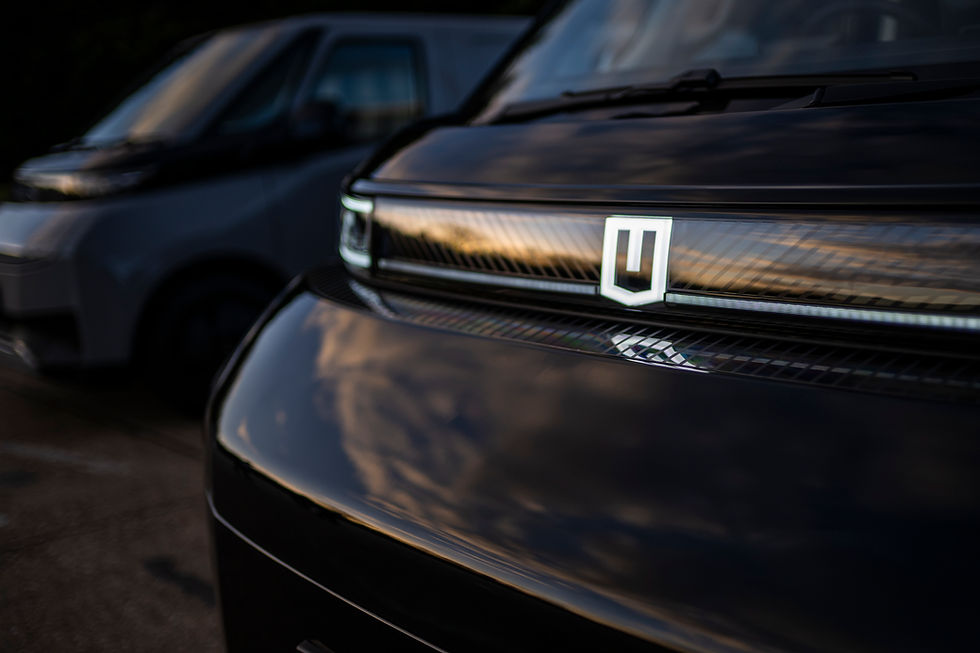
Plus, adopting electric vans aligns perfectly with the goals of Farizon South West, which aims to be the leading supplier of premium electric vans in the region. Their focus on high-performance, purpose-built vehicles and excellent customer support makes the transition easier for businesses like yours.
If you want to learn more about the benefits and options available, check out this detailed resource on zero-emission commercial vehicles.
Switching to electric isn’t just good for the planet - it’s good for your bottom line and your reputation. Why wait? The future of commercial transport is electric, and it’s ready for you today.
The Environmental Impact of Electric Vehicles
Switching to electric vans and trucks also has a significant impact on the environment. By reducing reliance on fossil fuels, we can lower greenhouse gas emissions. This is crucial in the fight against climate change. Electric vehicles (EVs) produce zero tailpipe emissions, which means cleaner air for our communities.
Benefits for Local Communities
Electric vans contribute to quieter streets and less air pollution. This can lead to improved public health outcomes. Fewer emissions mean fewer respiratory issues and a better quality of life for everyone.
Supporting Renewable Energy
Many electric vehicles are charged using renewable energy sources. This further reduces their carbon footprint. As more businesses adopt electric vans, the demand for clean energy will grow. This creates a positive feedback loop that benefits the environment.
Conclusion: Embrace the Change
In conclusion, the transition to electric vans and trucks is not just a trend; it’s a necessary step for businesses looking to thrive in a sustainable future. The benefits are clear: lower costs, improved efficiency, and a positive impact on the environment.
By embracing this change, you position your business as a leader in sustainability. The future is electric, and it’s time to be part of it.



Comments