
The Rise of Zero-Emission Commercial Vehicles: Driving Change in the South West
- Mark Kingdon

- Jan 22
- 4 min read
The transport sector is shifting gears fast. If you’re running a business or managing a fleet in the South West of England, you’ve probably noticed the buzz around electric vans and trucks. It’s not just a trend – it’s a revolution. The rise of zero-emission commercial vehicles is reshaping how goods move, how businesses operate, and how we all think about sustainability.
Switching to electric commercial vehicles isn’t just good for the planet. It’s smart business. Lower running costs, government incentives, and a growing network of charging points make this the perfect time to make the leap. Let’s dive into why zero-emission commercial vehicles are becoming the go-to choice for businesses in the South West and how you can get ahead of the curve.
Why Zero-Emission Commercial Vehicles Matter for Your Business
You might be wondering, why should I care about zero-emission commercial vehicles? The answer is simple: they save money, reduce environmental impact, and future-proof your operations.
Cost savings are a big draw. Electric vans have fewer moving parts than diesel or petrol vehicles, which means less maintenance and fewer breakdowns. Plus, electricity is cheaper than fuel, so your day-to-day running costs drop significantly. Over time, these savings add up.
Then there’s environmental responsibility. The South West is known for its beautiful landscapes and clean air. By switching to electric, you’re helping keep it that way. Zero tailpipe emissions mean less pollution and a healthier community.
Finally, regulations are tightening. Low Emission Zones (LEZs) and Clean Air Zones (CAZs) are expanding across the UK. Businesses using traditional vehicles may face fines or restrictions. Investing in electric vans now means you won’t get caught out later.

How Electric Vans Are Changing Fleet Management in the South West
Managing a fleet is no small task. But electric vehicles bring new opportunities to streamline operations and boost efficiency.
First, electric vans offer instant torque and smooth acceleration, making city driving and stop-start deliveries easier and less stressful for drivers. This can improve driver satisfaction and reduce fatigue.
Second, the lower noise levels of electric vehicles mean quieter deliveries. This is a big plus in residential areas or during early morning and late-night shifts.
Third, with the rise of smart charging infrastructure, you can schedule vehicle charging during off-peak hours to save on electricity costs. Many businesses are also exploring solar panels and energy storage to power their fleets sustainably.
Finally, electric vans come with advanced telematics and monitoring systems. These tools help you track vehicle health, optimise routes, and reduce downtime. The result? A more reliable and cost-effective fleet.
Choosing the Right Electric Van for Your Business Needs
Not all electric vans are created equal. Picking the right one depends on your specific business requirements.
Payload and load volume: Make sure the van can carry your typical cargo without compromising range.
Range: Consider how far your vehicles need to travel daily. Some electric vans offer over 150 miles on a single charge, which is more than enough for most local deliveries.
Charging options: Check if you have access to fast chargers or if overnight charging suits your schedule.
Durability and warranty: Look for vans built to handle commercial use with solid warranties and after-sales support.
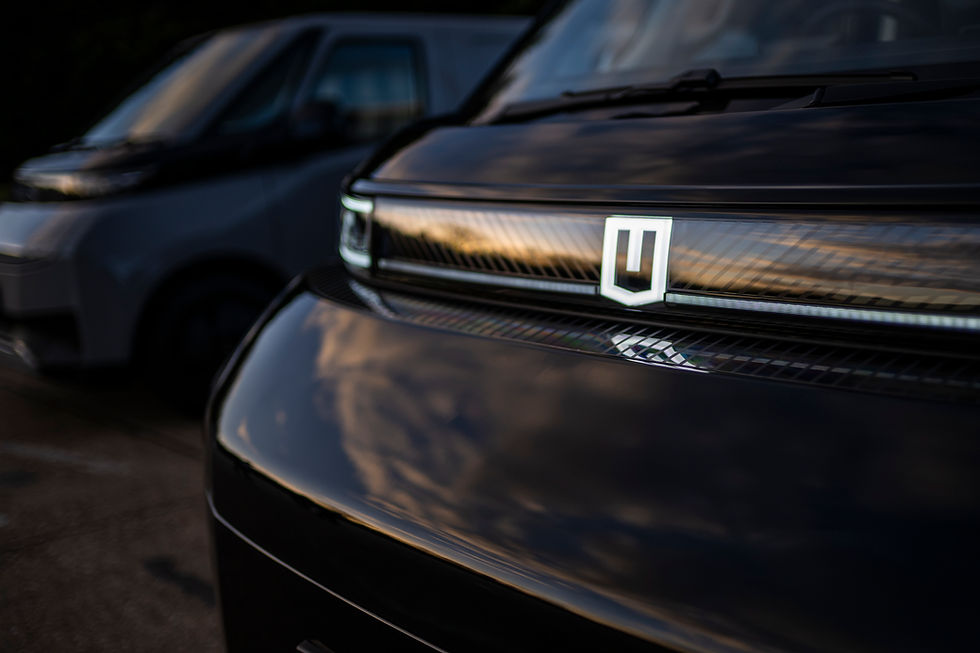
For example, Farizon South West offers purpose-built electric vans designed specifically for commercial use in the region. Their vehicles combine high performance with practical features tailored to local business needs.

Overcoming Common Challenges When Switching to Electric
Switching to electric isn’t without its hurdles. But with the right approach, these challenges are manageable.
Charging infrastructure is often the biggest concern. While public chargers are growing in number, installing on-site chargers at your depot or office can provide peace of mind and convenience.
Upfront costs can seem high, but remember to factor in government grants and incentives. The UK government offers grants for electric vans and charging points, which can significantly reduce initial expenses.
Range anxiety is another worry. Planning routes carefully and using telematics to monitor battery levels helps avoid surprises. Many businesses find that their daily mileage fits comfortably within electric van ranges.
Training drivers is key. Electric vehicles handle differently, so a short training session can improve safety and efficiency.
What the Future Holds for Commercial Transport in the South West
The future looks bright for electric commercial vehicles. Advances in battery technology promise longer ranges and faster charging times. More manufacturers are entering the market, increasing competition and driving down prices.
Local councils in the South West are also pushing for greener transport solutions. This means more support for businesses making the switch, from grants to infrastructure development.
By adopting electric vans now, you position your business as a leader in sustainability and innovation. It’s not just about compliance – it’s about building a brand that customers and partners respect.
If you want to explore how zero-emission commercial vehicles can transform your fleet, Farizon South West is ready to help. Their expert team offers tailored advice, premium vehicles, and ongoing support to make your transition smooth and successful.
Switching to electric commercial vehicles is more than a smart move – it’s a necessary step towards a cleaner, more efficient future. With the right vehicles, infrastructure, and mindset, your business can thrive while reducing its environmental footprint. The South West is ready for this change. Are you?



Comments